ANATOLIA INTERNATIONAL FILM FESTIVAL
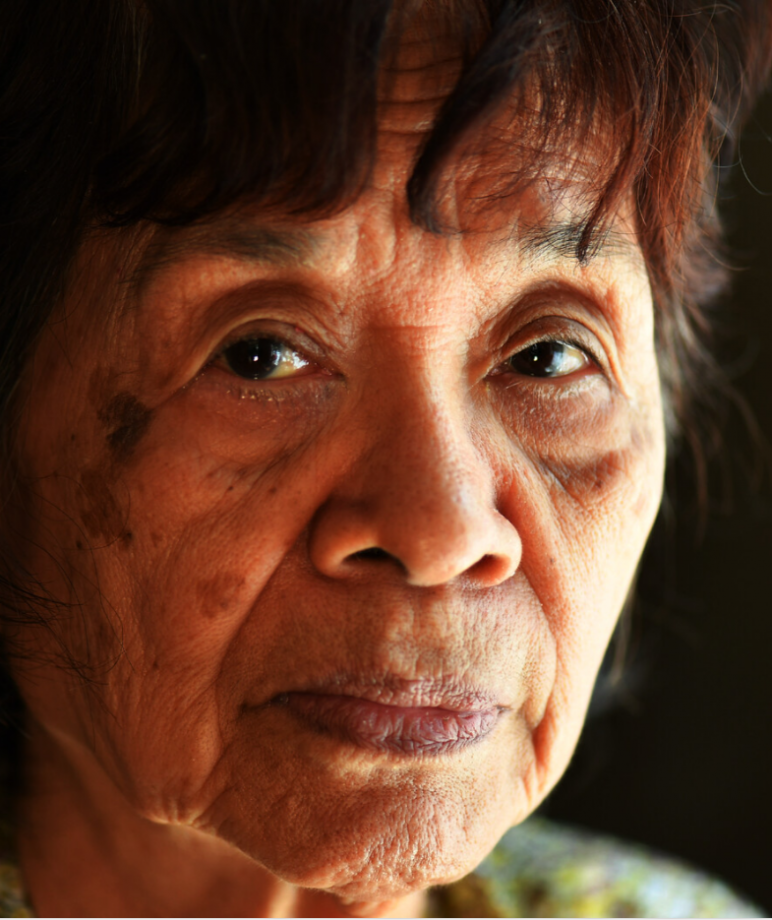
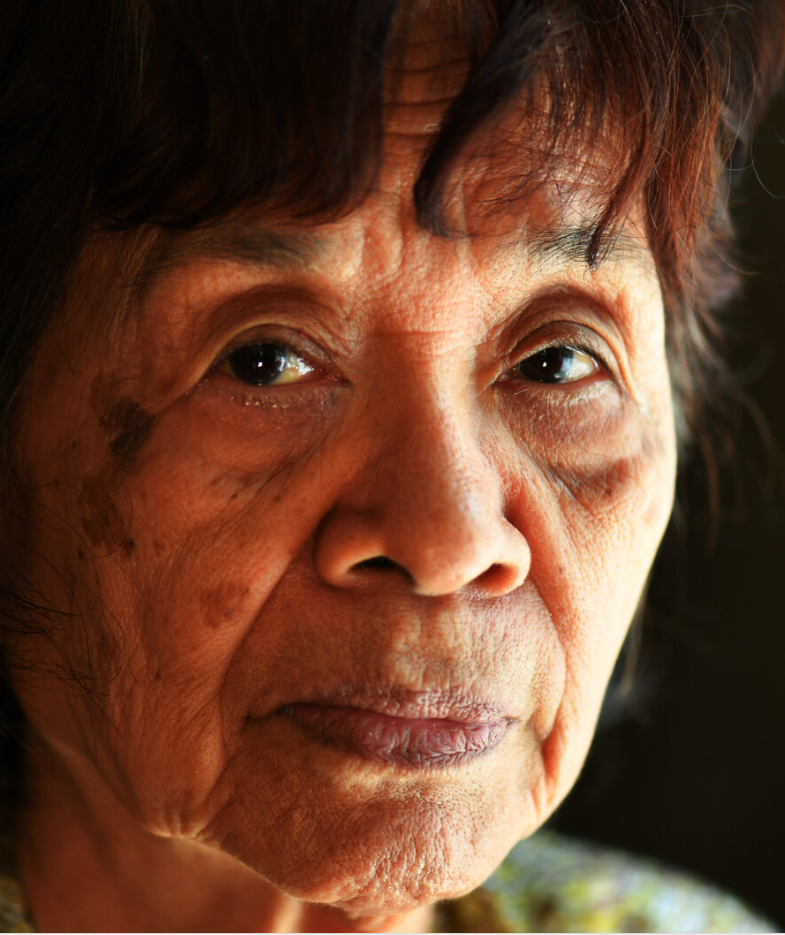
My Mother
by Van Viet Tran
Review
"Mom, the vast world is nothing compared yo our home. Even wealth and glory are nothing compared to having a mother.”
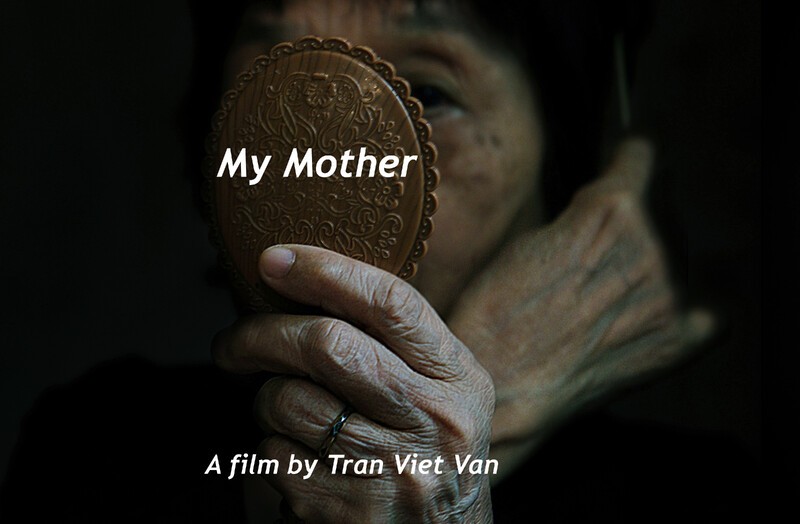
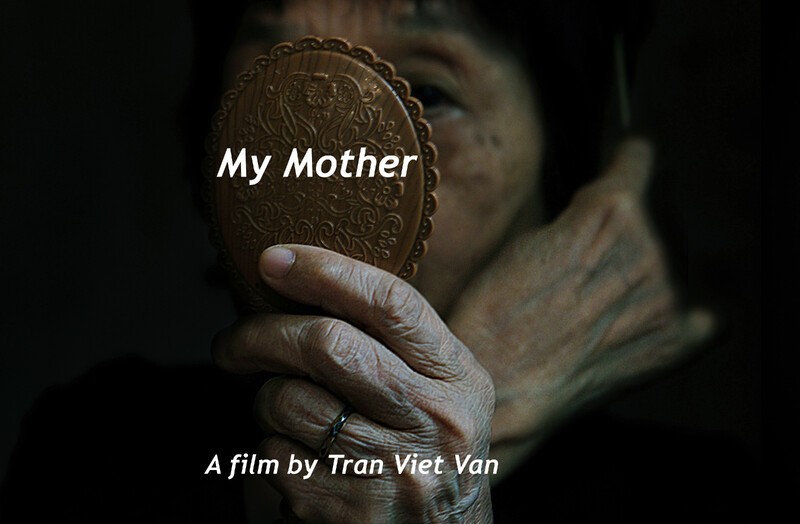
The lyrics of Tran Tien’s song, chosen for the soundtrack of the documentary My Mother, convey a deep sense of love and devotion—an emotional thread that mirrors director Van Viet Tran’s own relationship with his mother. Van Viet, a celebrated photographer, shared a small courtyard house with his mother, a distinguished literature professor, for more than fifty years. Such an enduring coexistence inevitably shaped his first film, which not only honors his mother but also makes her the central subject.
Mothers are universally significant, often bordering on the sacred in our cultural imagination. Yet when we remain bound to them in adulthood—sharing the same spaces, rituals, and rhythms of life—the maternal bond takes on another dimension. In youth, we may intuitively sense their importance, but only later, with the maturity of experience, do we consciously perceive the depth of their efforts, love, and sacrifices. We come to recognize that our mothers are not simply the origin of our being but also the architects of the lives we lead. This awareness forms the lens through which My Mother should be watched: not simply as a personal portrait, but as an intimate meditation on maternal devotion.
The film’s genesis lies in Van Viet’s photographic project of documenting his mother. Screenwriter Dang Thu Ha, deeply moved by these images, encouraged him to expand the project into a documentary, offering both a script and technical guidance. For Van Viet, the camera was more than an instrument of stillness; it was a way to extend moments across time and space, to preserve the fragile continuum of his mother’s life. Filming took nearly a year, and the editing proved arduous—deciding which moments of daily existence could bear the weight of memory and meaning.
The film captures an environment marked by the passage of time: cramped spaces overflowing with books, magazines, and academic relics—a shrinking world reflective of a life in retreat. The gestures grow slower, the steps smaller, canes become indispensable, and the bed increasingly a place of permanence. Objects cluster within reach, tokens of necessity and decline. And yet, there is dignity in these details: a hand extended toward sunlight through the window, gratitude for the smallest comforts, the distant affection for a cat that no longer responds. The documentary juxtaposes the quiet fragility of old age with the vibrant past of a woman who once fought for her country’s freedom, studied abroad, trained generations of students, and published widely. What remains is a life distilled into memories, friendships, and the awareness of its approaching end.
To recount such a life in prose would require countless pages, but My Mother succeeds in distilling it into images that speak with eloquence beyond words. Supported by Van Viet’s original photographs, the cinematography draws us closer to Le Thi Duc Hanh, his mother, making her life almost tangible. The film’s visual language transforms private memory into a universal theme: the inexhaustible motif of love and devotion to one’s mother.
AIFF